
Prayer at the Printer
When Faith and Federal Workplaces Collide

What we're thinking about
The Trump administration's memo expanding religious expression in federal offices claims to support freedom of belief. It invites employees to pray together, discuss faith and even attempt to convert others, as long as it doesn't rise to harassment or disrupt work. At first glance, this may sound like a reasonable nod to individual rights. But scratch the surface, and what emerges is a legal and ethical minefield.
Religion is deeply personal. Workplaces are not. That's the point. The goal of the workplace is to accomplish the goal of the organization, which means that personal topics are best left at the door. It protects boundaries and ideally offers equal footing to people with wildly different beliefs so that employees can feel safe and do their best work. That balance is hard enough to strike under normal conditions. Now layer on religious conversations between supervisors and subordinates. Toss in prayer groups, lunchtime evangelizing, or theological recruiting drives and you're asking for tension, if not outright discrimination claims.
The memo draws its strength from Title VII of the Civil Rights Act, which protects against religious discrimination, but it does little to prevent religious coercion. When a federal supervisor talks religion with their team, is that protected expression or implicit pressure? And when one person's spiritual expression clashes with another's comfort or safety, who gets prioritized?
In theory, this memo protects all religious expression equally. In practice, we've seen how these kinds of policies can tilt toward dominant religious groups. What happens when someone wants to perform Wiccan rituals on lunch breaks? Or organize a nude May Day ceremony to celebrate fertility and the divine feminine? If that sounds absurd, consider this: the rules say religious expression is welcome, as long as it's not disruptive. But "disruption" is often in the eye of the beholder. What counts as disruptive? Who decides when a conversation crosses the line? Historically, not everyone's religious beliefs have been treated with equal legitimacy.
It's one thing to protect the rights of individuals to worship freely. It's another to invite faith-based activity into secular government space without clear, enforceable guardrails. The risk isn't just awkward conversations. It's favoritism, marginalization, legal battles and a slow erosion of the neutral workplace the government is supposed to uphold. Separation of church and state isn't just a phrase we read in 8th grade civics. It's a principle that protects everyone and it's enshrined in our First Amendment. It ensures the government serves people equally, not just the ones who share the dominant faith. If the goal is to protect religious freedom, the better path might be to reinforce privacy and equality, not to open the office door to belief systems that, by design, don't always stay polite.
Religion has its place. Is that in a federal office kitchen?
What we're reading, watching, or listening to
To understand how this policy might play out in practice, it's worth considering what counts as "religious expression." It doesn't always look like a lunchtime prayer circle. Across different faiths and traditions, religious practices can be surprising, beautiful, unfamiliar or even provocative. Here are some links if this sparks your interest. Yes, we realize some of these are extreme. The idea is to get you thinking.
What's bringing us joy
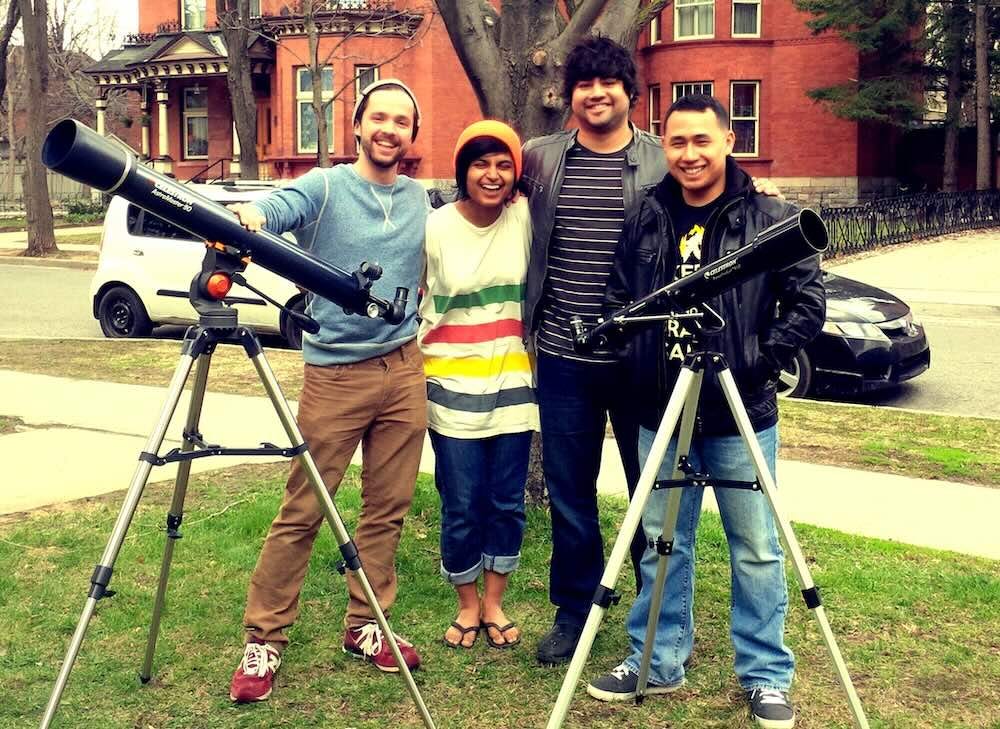
Sometimes the best kind of wonder sneaks up on you. Around the world, pop-up telescope stations are turning sidewalks and city parks into stargazing hubs offering free glimpses of the moon, planets and galaxies to anyone who looks up. No ticket, no gatekeeping. Just shared awe.
About this newsletter
This newsletter is posted by the We the Builders team and will be published on Mondays, Wednesdays, and Fridays. We stand for an effective government that serves its people and we won't rest until the government is rebuilt, and built better.